When a Young Person Says, “Everyone Is Doing It”
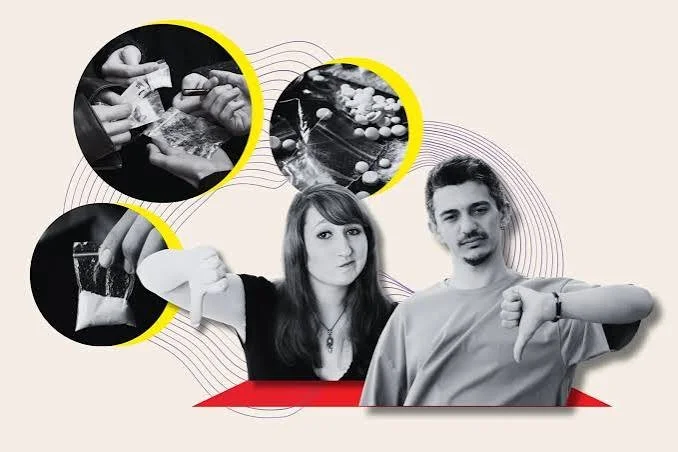
“Everyone vapes.”
“Everyone drinks at parties.”
“Everyone has tried weed.”
“I’m the only one who doesn’t.”
Parents, teachers and youth workers regularly hear statements like these. To a young person, they can feel completely true.
They may see vaping at school, hear stories about weekend parties or watch videos that present drug and alcohol use as normal teenage behaviour. The people taking risks are often more visible and vocal than those quietly choosing not to participate.
But visibility is not the same as prevalence.
The latest Australian data shows that most teenagers are not regularly drinking alcohol, vaping or using illicit drugs. In many areas, the young person who chooses not to use is part of the majority, not the exception.
This matters because what young people believe their peers are doing can influence the decisions they make.
Correcting the misconception is not about dismissing the genuine problems schools and families are facing. It is about giving young people an accurate picture before perceived pressure becomes real behaviour.
The problem with “everyone”
Teenagers are highly aware of belonging, identity and acceptance. Feeling excluded from a friendship group can seem more immediate and frightening than a health consequence that might occur sometime in the future.
When a young person believes almost everyone around them is vaping, drinking or using drugs, they may begin to think:
“It must not be that dangerous.”
“I need to do it to fit in.”
“People will think I’m immature if I say no.”
“I’m missing out.”
“There is no point refusing because I’ll eventually do it anyway.”
“If everyone else is fine, I’ll probably be fine too.”
The behaviour can begin to feel normal, expected and unavoidable, even when the young person has greatly overestimated how common it is.
They may also notice the ten students talking about a party while overlooking the much larger number who did not attend, did not drink or simply did not talk about their choice.
Social media magnifies this effect. A young person can see repeated images of drinking, vaping or drug use without seeing the consequences, the people who abstained or the carefully edited reality behind the content.
What does the Australian data actually show?
The figures differ depending on the age group, substance and timeframe being measured. “Has ever tried” is very different from “used during the past month” and occasional experimentation is different from regular use.
That distinction is important.
Someone might say that “half the year group vapes” because many students have tried a friend’s device at some point. That does not mean half the year group is currently or regularly vaping.
The clearest way to challenge “everyone is doing it” is to look at recent use.
Most teenagers are not regularly drinking
Alcohol is deeply normalised in Australian culture, so young people can easily assume teenage drinking is almost universal.
However, the latest National Drug Strategy Household Survey found that 70% of Australians aged 14–17 abstained from alcohol in 2022–2023. That proportion has increased considerably from 39% in 2007. Australian Institute of Health and Welfare
The national Australian Secondary Students’ Alcohol and Drug survey provides another useful view. Among secondary students aged 12–17 in 2022–2023:
44% had consumed alcohol during the previous year
22% had consumed alcohol during the previous month
11% had consumed alcohol during the previous week
4% reported consuming five or more drinks on one day during the previous week.
In other words, almost nine out of ten students had not consumed alcohol during the previous week, and approximately three out of four had not consumed alcohol during the previous month.
Student drinking is also at historically low levels. Past-month drinking declined from 27% in 2017 to 22% in 2022–2023, while past-week drinking declined from 15% to 11%. Australian Government ASSAD report
That does not mean underage drinking is no longer a concern. Some teenagers who drink consume dangerous amounts, alcohol can contribute to poisoning, injuries, violence, unsafe sexual situations and decisions they would not otherwise make.
But “teenagers are drinking” is not the same as “all teenagers drink”.

Vaping is visible—but it is still not everyone
Vaping has grown rapidly among young Australians and requires a serious prevention and health response.
In 2022–2023, 9.7% of Australians aged 14–17 were current users of e-cigarettes, up from 1.8% in 2019. This increase is concerning, but it also means approximately nine out of ten young people aged 14–17 were not current users. Australian Institute of Health and Welfare
The school-based survey found higher figures: around 16% of secondary students had either vaped or smoked during the previous month, including 13% who had exclusively vaped.
Even using those figures, the substantial majority had done neither during the previous month.
Vaping can appear more widespread because devices are easily shared. One vape may pass through many hands, creating the impression of a large group of established users when some students may have only experimented once.
It can also be highly visible in particular friendship groups, year levels or school locations. A young person surrounded by vaping at lunchtime may understandably feel it is happening everywhere, even though their immediate circle does not represent the whole student population.
We should not minimise vaping. Nicotine dependence can develop quickly, illicit devices may contain unknown substances and around 35% of secondary students who had vaped in the past month believed they would experience at least some difficulty going without it.
But accurate messaging remains important: vaping has increased, yet most young Australians are not current vapers.
Most secondary students are not using cannabis
Cannabis is the illicit drug most commonly used by Australian secondary students. Even so, it is not used by the majority.
In 2022–2023:
13% of secondary students reported having ever used cannabis
12% had used it during the previous year
7% had used it during the previous month
4% had used it during the previous week.
This means approximately 93% had not used cannabis during the previous month, and 96% had not used it during the previous week.
Use of illicit drugs other than cannabis was much less common. When cannabis was excluded, 6% of students reported ever using an illicit drug and only 2% reported use during the previous month. Australian Government ASSAD report
Every instance of youth drug use deserves attention because of the potential consequences. But telling young people that drug use is everywhere can unintentionally strengthen the very behaviour we are trying to prevent.

Why our language matters
Adults sometimes use exaggerated statements because we want young people to recognise the seriousness of a problem:
“Vaping is everywhere.”
“Every teenager is exposed to drugs.”
“They’re all doing it younger now.”
“The whole year group is involved.”
These statements may express a genuine concern, but they can also create an unintended message: drug use is normal, widespread and almost inevitable.
A young person may hear, “Everyone is doing this, so why shouldn’t I?”
We can communicate concern more accurately:
“Vaping has increased, but most teenagers are not current vapers.”
“Some young people are drinking, but most 14–17-year-olds abstain from alcohol.”
“Cannabis is the most commonly used illicit drug, but most secondary students have not used it.”
“You are not the only person choosing not to participate.”
“Many people your age feel pressure, even though they do not want to use.”
This does not weaken the prevention message. It gives young people evidence that a safer choice is both possible and normal.
Do not use statistics to dismiss their experience
If a young person says, “Everyone at my school vapes,” immediately replying, “That’s not true,” may close the conversation.
They may be describing what they genuinely see in their friendship group, toilets, bus interchange or social environment. National statistics do not erase their daily experience.
Start by listening:
“It sounds like you’re seeing it often enough that it feels normal. Where are you noticing it most?”
You might then ask:
“Do you think everyone is using regularly, or are some people trying it occasionally?”
“Are there people in your group who don’t vape or drink?”
“Do people talk openly about choosing not to?”
“What happens when someone says no?”
“Do you feel pressured, or are you worried that you might be?”
“What would make it easier for you to stick with your decision?”
Once they feel heard, you can add the broader perspective:
“It may be very visible around you, and I’m not dismissing that. But the Australian data shows most teenagers are not current users. You are not as alone in your choice as it might feel.”
Help young people identify the quiet majority
Students who vape, drink or use drugs may talk about it because it becomes a story, a performance or part of their social identity.
Choosing not to use rarely produces a dramatic story.
A young person may not announce:
“I went to the party and drank soft drink.”
“I was offered a vape and said no.”
“I left when cannabis came out.”
“I’ve never used drugs.”
As a result, safer decisions can become almost invisible.
Encourage young people to notice peers who:
leave a risky situation
attend parties without drinking
focus on sport, work, study, faith, family or other goals
decline a vape without making a scene
support a friend’s decision not to use
choose friends who respect their boundaries
ask a trusted adult for help.
The quiet majority needs to become more visible.
Give them something to say
Knowing the statistics may strengthen a young person’s confidence, but they also need practical ways to respond in the moment.
A refusal does not need to become a speech. Short, calm answers are often most effective:
“No thanks, I don’t vape.”
“I’m good.”
“Not my thing.”
“I’ve got training tomorrow.”
“I don’t like how it makes me feel.”
“I’m not risking it.”
“I told Mum I wouldn’t.”
“No—I’m staying clear-headed.”
“I’ve seen what it can do.”
“I’ll come, but I’m not drinking.”
Humour can work for some young people. Changing the subject, holding a non-alcoholic drink or moving toward someone supportive can also reduce repeated offers.
They should always have permission to leave. Parents can establish a no-questions-in-the-moment rescue plan: one call or text means they will be collected promptly, with the fuller conversation happening later when everyone is safe and calm.
What if their friends make fun of them?
A young person’s concern about rejection should not be brushed aside. Belonging matters deeply, and social exclusion can be painful.
Help them think ahead:
Which friend is most likely to support their decision?
Can they tell that person before the event?
How will they leave if the situation changes?
Who can they call?
What activity, responsibility or personal value can they use in their response?
Are these friends respecting their boundaries?
We can also remind them:
“A person who pressures you to risk your health to prove your friendship is asking you to carry the consequence of their decision.”
Real friends may disagree, but they should not require someone to use a substance to belong.

Guidance for parents
Parents remain influential, even when it does not feel that way.
Clear expectations can give a teenager an exit they may privately welcome. “My parents would kill me” is sometimes less about fear and more about having a socially acceptable reason to refuse.
Parents can help by:
discussing alcohol, vaping and drugs before an invitation arrives
setting clear and consistent boundaries
explaining the reasons behind those boundaries
correcting exaggerated perceptions with credible data
knowing where their child is and who they are with
agreeing on transport and check-in arrangements
keeping communication open if something goes wrong
modelling responsible attitudes toward alcohol and medication
praising good judgement, not only reacting to mistakes
getting to know their child’s friends and other parents.
Avoid saying, “Everyone tries it eventually,” or sharing youthful drug use as if it were a harmless rite of passage. A story intended to create openness can unintentionally sound like permission or inevitability.
Guidance for schools
Schools can also accidentally normalise substance use when communications focus exclusively on how widespread a problem has become.
Prevention messaging should acknowledge the concern while reinforcing healthy norms.
Schools can:
use accurate, age-appropriate Australian data
distinguish experimentation from regular use
avoid presenting substance use as an unavoidable part of adolescence
reinforce that most students are making safer choices
teach practical refusal and exit strategies
provide confidential pathways for students seeking support
respond to disclosures without shame
address the locations and social conditions where pressure occurs
involve parents before problems escalate
celebrate leadership, connection and positive peer influence.
Students should hear more than “do not do this”. They need to know that choosing not to use is normal, respected and supported.
If a young person is already using
Correcting the “everyone” myth should never become a way of shaming someone who has used a substance.
Avoid responses such as:
“Most teenagers aren’t doing it, so what is wrong with you?”
Instead, remain curious:
“What was happening when you started?”
“What do you get from using it?”
“Do you feel in control of how often you use?”
“Have you tried to stop?”
“What makes stopping difficult?”
“Is there something you’re trying to cope with?”
“Who could help us work through this?”
A young person may have begun through curiosity or peer pressure and then found themselves experiencing nicotine dependence, relying on cannabis to manage anxiety or drinking to feel socially comfortable.
They need boundaries and accountability, but they also need support.
The message young people need to hear
Not everyone is doing it.
Most Australian teenagers are not currently vaping. Most are not regularly drinking. Most are not using cannabis or other illicit drugs.
That does not mean there is no problem. It means young people making safer choices are not alone.
At NotEvenOnce®, we believe prevention should do more than warn young people about consequences. It should strengthen their confidence, give them accurate information and equip them to act before pressure arrives.
We need to make healthy choices visible.
We need to tell young people the truth: many of their peers are choosing not to use—and they have every right to make that choice too.
Sometimes the most powerful answer to “everyone is doing it” is simply:
“No, they’re not—and you don’t have to either.”
Where to find help
If you are concerned about a young person’s alcohol, vaping or other drug use:
Speak with a GP or qualified health professional.
In Tasmania, contact the Alcohol and Drug Service on 1800 811 994.
Call the National Alcohol and Other Drug Hotline on 1800 250 015.
Contact Quitline on 13 7848 for support with smoking or vaping.
In an emergency, call 000.
NotEvenOnce® provides evidence-informed alcohol and other drug education for students, families and school staff. To discuss a school seminar, family session or professional-development program, contact Teen Challenge Tasmania through the NotEvenOnce® website.
This article provides general education and is not a substitute for individual medical or professional advice.