Why the Teenage Brain Is More Vulnerable to Addiction
“Why would they keep doing it when they know what could happen?”
“Why can’t they just stop?”
“They promised they wouldn’t use it again.”
“Surely they understand the risks.”
These are understandable questions when a young person continues vaping, drinking or using another drug despite consequences at school, at home or in their relationships.
From the outside, the behaviour can appear irrational. We may see the danger clearly and assume the young person should be able to make the same calculation.
But the teenage brain is not simply a smaller adult brain.
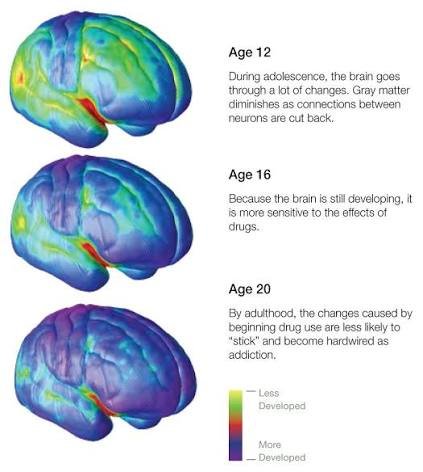
It is still developing the systems involved in reward, motivation, decision-making, impulse control, emotional regulation and understanding future consequences. These developmental changes help teenagers learn, explore, form relationships and become independent—but they can also make adolescence a particularly vulnerable time for substance use to establish powerful patterns.
Understanding this vulnerability does not excuse harmful behaviour or remove personal responsibility. It helps parents, educators and communities respond with greater accuracy.
Addiction is not evidence that a young person is weak, selfish or beyond help. It is a complex health and behavioural condition influenced by the brain, the substance, the person’s experiences and the environment around them.
The teenage brain is still under construction
The human brain continues developing into a person’s mid-twenties.
During childhood and adolescence, the brain is continually building, strengthening and reorganising connections. Frequently used pathways become more efficient, while connections that are used less may be reduced.
This process is known as neuroplasticity—the brain’s ability to change in response to experiences, learning and repeated behaviour.
Neuroplasticity is one of the great strengths of adolescence. It allows a young person to:
learn new skills
develop interests and abilities
adapt to changing situations
build relationships
establish habits
form values and identity
recover and grow through positive experiences.
However, the same ability to learn and adapt means the brain can also become highly responsive to repeated substance use.
The Australian Government advises that a young person’s brain is still developing and that drug use during this period can affect memory, learning, impulse control and the ability to experience reward. Australian Government Department of Health, Disability and Ageing
The teenage brain is not faulty. It is doing exactly what it is designed to do: learning from experiences and adapting to the world around it.
That is why the experiences we repeatedly place in front of young people matter.
The accelerator and the brakes
A helpful way to understand teenage decision-making is to imagine a vehicle with a responsive accelerator while its braking and navigation systems are still developing.
The “accelerator” includes brain systems involved in:
reward
excitement
novelty
emotion
social acceptance
immediate pleasure.
These systems can respond strongly during adolescence.
The “brakes” include the prefrontal cortex and related networks involved in:
planning
impulse control
weighing consequences
regulating emotions
delaying gratification
resisting pressure
changing course when something becomes dangerous.
These systems are developing throughout adolescence and into early adulthood.
This does not mean teenagers cannot make good decisions. Young people demonstrate insight, self-control, compassion and responsibility every day.
It means their ability to apply those skills can be affected by the situation—particularly when they are highly emotional, stressed, tired, intoxicated, surrounded by peers or offered an immediate reward.
A teenager may genuinely understand a future consequence while still being strongly influenced by what feels rewarding or socially important right now.
What is dopamine?
Dopamine is a chemical messenger used by the brain. It is involved in motivation, learning, movement, attention and the brain’s reward processes.
Dopamine is not simply a “pleasure chemical”. One of its important roles is helping the brain notice and learn from experiences that appear significant.
Everyday activities can involve the reward system, including:
eating
achieving a goal
enjoying music
playing sport
spending time with friends
receiving encouragement
learning something new
completing a difficult task.
Dopamine helps the brain remember, “That mattered—pay attention and consider doing it again.”
Alcohol, nicotine and other drugs can interfere with these natural processes. Different substances act in different ways, but many increase dopamine activity or otherwise affect reward, motivation and learning.
For example, the Australian Government explains that nicotine stimulates neurotransmitters associated with pleasure and reward, including dopamine. When the effect wears off, cravings can encourage further nicotine use. Australian Government nicotine information
The brain can begin learning not only that the substance matters, but that the people, places, objects, feelings and routines surrounding its use matter too.
How a substance becomes linked with a situation
Imagine a young person first uses a vape while sitting with friends after a stressful day.
The experience may involve several perceived rewards at once:
nicotine’s effect on the brain
relief from stress or discomfort
acceptance from friends
curiosity being satisfied
participation in something secret or exciting
a sense of belonging.
The brain does not record only the chemical effect. It may begin connecting the experience with:
the friendship group
a particular school location
the end of the school day
the sight of a vape
certain social-media messages
anxiety or frustration
the desire to fit in.
If that pattern is repeated, these cues may begin producing anticipation or craving before the substance is even used.
This helps explain why a young person can feel a strong urge when they enter a particular place, see someone vaping or experience an emotion they have come to associate with using.
The choice has not necessarily disappeared, but it may no longer feel as simple as it did at the beginning.
From experimentation to a powerful pattern
Not every young person who experiments with alcohol or another drug will develop dependence. There is no single pathway that applies to everyone.
However, a pattern may develop gradually:
The young person experiments.
The first use may be driven by curiosity, pressure, stress, availability or a desire to belong.The brain notices a reward.
This may be pleasure, stimulation, relief, confidence, numbness or social acceptance.Use is repeated.
The young person begins returning to the substance in similar situations.Cues become connected with use.
Friends, places, devices, emotions and routines can begin triggering anticipation or craving.Tolerance may develop.
More of the substance, more frequent use or a stronger product may be needed to achieve the expected effect.Ordinary rewards may feel less satisfying.
School, sport, relationships and other activities may struggle to compete with the immediate or intense effect of the substance.Use shifts from wanting to needing.
The young person may increasingly use to avoid cravings, irritability, anxiety, low mood or other withdrawal symptoms.Control becomes more difficult.
They may continue despite consequences and despite genuinely wanting to stop.
This progression is not inevitable, and it does not always occur in a neat order. But recognising early movement along this pathway gives us an opportunity to intervene before the pattern becomes more established.
Why starting earlier matters
Research consistently identifies early substance use as a risk factor for later substance-related problems.
The National Institute on Drug Abuse explains that early alcohol and other drug use can increase the likelihood of later drug use and of developing a substance use disorder. It also emphasises that adolescence is a period of significant brain development. National Institute on Drug Abuse
Australia’s national secondary-school survey likewise notes that earlier initiation of illicit drug use has been linked with adverse outcomes and increased risk of later dependence. Australian Secondary Students’ Alcohol and Drug Survey 2022–2023
This does not mean that every young person who uses a substance early will develop addiction. Association does not allow us to predict an individual young person’s future.
Risk is influenced by many factors, including:
how young they were when use began
the substance involved
how frequently they use
the strength and amount
whether substances are combined
mental and physical health
genetics and family history
trauma and chronic stress
the availability of drugs
relationships and social environment
the presence or absence of protective support.
The clearest prevention message is not that addiction is guaranteed. It is that delaying the start of substance use gives the developing brain more time to mature and reduces exposure during a particularly important developmental period.
Every delay matters.
Why the teenage social world matters
During adolescence, belonging can feel essential.
Young people are developing an identity outside their family. Peer acceptance, approval and rejection can carry significant emotional weight. A decision may therefore be about much more than the substance itself.
A young person might be deciding:
“Will I still belong if I say no?”
“Will they think I’m childish?”
“Will I be excluded next time?”
“Will this make me feel more confident?”
“Will using help me become part of the group?”
“Can I cope with being the only one refusing?”
When substance use is connected with acceptance, the perceived reward becomes both chemical and social.
This is one reason simply repeating health facts may not be enough. A young person can believe the facts and still feel overwhelmed by the immediate fear of rejection.
Effective prevention needs to give young people:
accurate information
practical refusal language
supportive friendships
permission to leave
trusted adults they can contact
places where they can belong without using
something meaningful they do not want to lose.
Connection is not an optional extra in prevention. It is part of the protection.
When substances become a way of coping
Not all substance use begins with thrill-seeking or peer pressure.
Some young people use alcohol, cannabis, nicotine or other drugs because they are attempting to cope with:
anxiety
trauma
grief
loneliness
bullying
family conflict
academic pressure
sleep difficulties
low self-worth
overwhelming emotions
symptoms of an undiagnosed mental-health condition.
A substance may appear to provide temporary relief. That relief teaches the brain an important but dangerous lesson:
“When I feel this way, this is what helps.”
The underlying distress remains, but substance use becomes the young person’s quickest available response to it.
Over time, the brain may become increasingly practised at moving from discomfort to use. Healthier coping strategies receive less opportunity to develop.
This is why asking only, “What are you taking?” can miss an equally important question:
“What is happening that makes you want or need to change how you feel?”
Understanding the reason does not make the substance safe. It helps identify the support the young person actually needs.

Risk does not come from one cause
There is no single “addictive personality”, and there is no reliable way to look at a teenager and know who will develop a problem.
Vulnerability can be shaped by a combination of:
genetics or a family history of dependence
early exposure to alcohol or other drugs
trauma and adverse childhood experiences
untreated mental-health difficulties
impulsivity or sensation-seeking
family conflict or instability
social isolation
substance-using peers
easy availability
low connection with school or community
frequent or high-potency use
limited adult supervision
a lack of safe coping strategies.
A risk factor is not a prediction.
A young person may have several vulnerabilities and never develop dependence. Another may appear well supported but still experience difficulty.
This is why prevention should be offered to every young person, not only those adults consider “at risk”.
Protective factors matter too
The teenage brain’s ability to learn and adapt also creates enormous opportunity.
The pathways strengthened during adolescence do not have to involve substance use. Positive experiences can help build patterns of resilience, connection and healthy reward.
Protective factors can include:
a stable relationship with at least one trusted adult
clear and consistent family expectations
supportive friendships
connection with school
involvement in sport, employment, faith, music or community activities
healthy sleep and routines
skills for managing stress and emotions
access to mental-health care
opportunities to contribute and be needed
realistic hope for the future
early support when concerns first appear.
Protective factors do not create immunity, but they can reduce risk and strengthen a young person’s capacity to make and maintain safer choices.
A conversation, mentoring relationship, supportive teacher or welcoming place to belong may have more influence than adults ever get to see.

What changes should adults look for?
No single behaviour proves that a young person is developing dependence. Adolescence naturally brings changes in mood, sleep, friendships and independence.
Concern should increase when several changes appear together, persist or begin affecting everyday life.
Possible signs include:
using more often or in larger amounts
moving to stronger products
repeated unsuccessful attempts to stop
cravings or preoccupation with the substance
irritability, anxiety or low mood when unable to use
changes in sleep or appetite
needing money without a clear explanation
secrecy about whereabouts or belongings
declining school attendance or performance
withdrawing from family or established friends
losing interest in sport, hobbies or goals
using alone
using before school or during the school day
continuing despite health, disciplinary or relationship consequences
relying on a substance to sleep, relax, socialise or cope
becoming distressed at the prospect of going without it.
These signs call for curiosity, boundaries and support—not humiliation or labels.
Why “just stop” may not be enough
A young person may sincerely intend to stop and still return to use.
They may be dealing with:
physical withdrawal
strong cravings
established routines
substance-using friends
easy access
emotional distress
environmental cues
fear of losing their social group
a lack of alternative coping strategies.
Broken promises can be frustrating, but they do not necessarily prove that the young person does not care.
Ask what happened between the promise and the next use:
Where were they?
Who were they with?
What were they feeling?
What triggered the urge?
How easily could they access the substance?
What plan did they have for handling the craving?
What support was available at that moment?
A promise without a practical plan can leave a young person facing the same pressures with no new tools.
How to begin the conversation
Choose a calm time, not during an argument and, where possible, not while the young person is intoxicated.
Begin with what you have noticed:
“I’ve noticed that vaping seems to be becoming more important in your day, and you seem distressed when you can’t do it. I’m concerned about what is happening. Can we talk about it?”
Helpful questions include:
“What do you enjoy or get from using it?”
“When do you most feel like you need it?”
“Have you noticed that you need more than you used to?”
“What happens when you try to go without it?”
“Have you tried to stop?”
“What made it difficult?”
“Are you using to cope with something?”
“What would you be worried about losing if you stopped?”
“Who could support you?”
“Would you be willing to speak with someone who understands this?”
Listen carefully, but remain clear about safety and boundaries.
A calm response does not mean approving of the behaviour. It means keeping communication open long enough to understand the problem and act effectively.
What parents can do
Parents and carers can:
discuss substances before use begins
set clear, age-appropriate expectations
explain the reason behind boundaries
notice changes without immediately accusing
take nicotine dependence and other substance use seriously
ask about stress, anxiety, friendships and sleep
reduce access where reasonably possible
seek professional advice early
help the young person identify triggers
develop a practical plan for cravings and pressure
support healthy activities and relationships
praise honesty and progress
remain consistent when setbacks occur.
Avoid turning every conversation into an interrogation. If young people expect anger, shame or punishment to be the only response, they may become better at hiding the problem rather than more able to address it.
What schools can do
Schools are often among the first places where changes become visible.
Staff may observe:
repeated visits to toilets or isolated areas
difficulty remaining in class
irritability or poor concentration
declining attendance
unexplained disengagement
peer-group changes
possession of vapes or other substances
distress when access is interrupted.
A disciplinary response may be required, but discipline alone may not address dependence, trauma, peer dynamics or the reason behind the use.
Schools can strengthen prevention and early intervention by:
providing accurate, age-appropriate education
teaching practical refusal and exit strategies
training staff to recognise signs of dependence
creating clear internal referral pathways
responding consistently across the school
maintaining confidential support options
involving families appropriately
avoiding public shame
helping students remain connected with education
linking families with professional services.
The goal is not to remove accountability. It is to ensure the response addresses both the behaviour and what is driving it.
Recovery is possible
The brain’s capacity to change contributes not only to the development of harmful patterns but also to recovery.
New routines can be learned. Triggers can be identified. Coping strategies can be strengthened. Relationships can be repaired. Reward can again be experienced through healthy activities, connection and achievement.
Recovery may involve setbacks, and support needs will differ from person to person. Some young people may benefit from brief early intervention. Others may need coordinated medical, psychological, alcohol and other drug, family and educational support.
The earlier a problem is recognised, the earlier appropriate help can begin.
Dependence should never be treated as proof that a young person’s future has been lost.
Prevention begins before the offer
We cannot wait until a young person is in a high-pressure situation to give them everything they need to respond.
Prevention means helping them understand:
what substances can do to a developing brain
why immediate rewards can overpower future intentions
how repeated behaviour can form a strong pathway
how advertising and peer influence shape perception
how to recognise pressure
what they will say if offered a substance
how they will leave
who they can call
where they belong
what future they are protecting.
At NotEvenOnce®, we believe young people deserve honest information before a decision is placed in front of them.
We do not educate because we believe teenagers are incapable of making good decisions. We educate because knowledge, connection and preparation strengthen their capacity to do so.
The teenage brain’s vulnerability is only part of the story.
It is also adaptable, creative, courageous and capable of extraordinary growth.
What we repeatedly teach, model, encourage and make available during these years can become part of the pathways a young person carries into adulthood.
Where to find help
If you are concerned about a young person’s alcohol or other drug use:
Speak with a GP or qualified health professional.
In Tasmania, contact the Alcohol and Drug Service on 1800 811 994.
Call the National Alcohol and Other Drug Hotline on 1800 250 015.
Contact Quitline on 13 7848 for smoking or vaping support.
Call Family Drug Support on 1300 368 186 for support as a family member or friend.
In an emergency, call 000.
NotEvenOnce® provides evidence-informed alcohol and other drug education for students, families and school staff. To discuss a school seminar, family session or professional-development program, contact Teen Challenge Tasmania through the NotEvenOnce® website.
This article provides general education and is not a substitute for individual medical or professional advice.