“It’s Only Weed”: What Today’s Cannabis Can Do to a Developing Brain
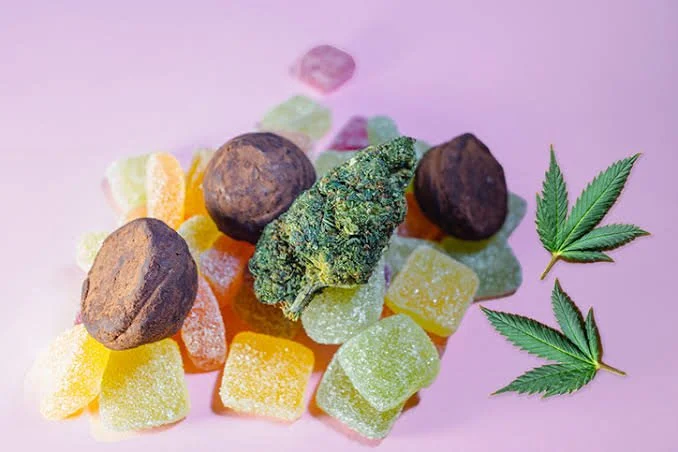
“It’s only weed.”
“It’s natural.”
“It’s not as bad as other drugs.”
“Everyone does it.”
These are common statements young people and let’s face it, some adults, use when talking about cannabis/marijuana. Because Marijuana is often portrayed casually in music, entertainment, social media and popular culture, its risks can easily be minimised.
But common does not mean harmless, and natural does not mean safe.
This is particularly important when we are talking about children, teenagers and young adults. Their brains are still developing, and cannabis can interfere with some of the very abilities they need to learn, make decisions, manage emotions and prepare for their future.
There is also another important issue: marijuana products have changed.
Some of today’s cannabis products contain far higher concentrations of THC than the cannabis adults may remember from previous decades. High-potency concentrates, vape cartridges and edibles promoted overseas can also be advertised to Australians through social media, encrypted services and illicit online marketplaces—including the dark web.
Our purpose is not to frighten or shame young people. It is to ensure they receive honest, accurate information before a decision is placed in front of them.
Cannabis use among Australian young people
Cannabis remains the most commonly used illicit drug in Australia. According to the latest available national data, 9.7% of Australians aged 14–17 reported using cannabis during the previous 12 months in 2022–2023, although with the promotion for medicinal use and online promotion front-line workers are expriencing increases.
While this represents a significant number of young people being exposed to potential harm, it also tells us something important: most Australian teenagers are not using marijuana.
Cannabis use is higher among young adults. In 2022–2023, approximately 26% of young men and young women aged 18–24 reported recent cannabis use. Australian Institute of Health and Welfare
The data gives us two important messages:
Cannabis use among young people is a genuine concern.
It is not true that “everyone is doing it.”
We need to be careful not to unintentionally normalise cannabis use while attempting to warn young people about it. Most Australian teenagers are making the choice not to use cannabis, and that positive choice deserves to be reinforced.
Why is the teenage brain more vulnerable?
The human brain continues developing into a person’s mid-twenties. During adolescence, the brain is still strengthening the systems involved in:
planning and decision-making
impulse control
memory and learning
managing emotions
assessing risk
understanding consequences.
At the same time, the parts of the brain associated with reward, novelty and emotion can be highly active. This means teenagers may feel the promise of an immediate reward more strongly than they recognise the possibility of a future consequence.
The Australian Government warns that drug use during this developmental period can affect memory, learning, impulse control and the brain’s reward processes. Australian Government Department of Health
This does not mean every young person who experiments with cannabis will develop a permanent problem. It does mean that beginning at a young age, using frequently or using high-THC products can increase the risks.
What is THC?
Marijuana contains numerous chemical compounds known as cannabinoids, just over 100 out of the over 500 chemical compounds found in it. The two most commonly discussed are THC and CBD.
THC, delta-9-tetrahydrocannabinol, is the psychoactive component responsible for the “high”. It changes how a person thinks, feels and perceives what is happening around them.
CBD does not produce the same intoxicating high and may moderate some of THC’s effects. However, the balance of THC and CBD can vary considerably between cannabis products. Both THC and CBD are also known for multidimensional chromosomal and genome toxicity of cannabis exposure in congenital anomalies and cancer development
Cannabis may appear as:
dried plant material
oils and tinctures
food products or “edibles”
vape liquids and cartridges
waxes and resins
“shatter” or glass-like concentrates
products known as “dabs”
high-strength cannabis concentrates.
Illicit cannabis has no dependable labelling or quality control. A young person may have no reliable way of knowing its actual strength, how it was produced or whether it contains another substance.
Today’s cannabis can be far stronger than people realise
When adults remember cannabis from previous decades, they may not be picturing the same products being promoted today.
An American Psychological Association review reports that the average THC concentration of illicit cannabis plant material in the United States increased from approximately 1% in the 1960’s to 4% in 1995 to about 16% in 2022.
Cannabis flower, pre-rolled joints and vape products available in legal American markets can now reach around 30%+ THC, while some concentrated products are advertised as containing 90% to 95% THC. These can include oils, waxes, shatter, dabs and concentrated vape cartridges. American Psychological Association When we understand that 10% THC is considered high dosage to an adult, this is very concerning.
This means some concentrates can contain:
more than five times the THC concentration of the average illicit US cannabis sample recorded in 2022
more than 20 times the average THC concentration reported in 1995.
A concentrate containing 80%, 90% or 95% THC is not simply “stronger weed”. It is a highly concentrated drug capable of delivering a large amount of THC very quickly.
While these figures come from the United States and should not be treated as measurements of all Australian cannabis, they demonstrate how dramatically cannabis products have changed internationally, and the types of products that may be promoted online to Australians.
How overseas products and trends can reach Australia
High-potency cannabis products may be legally produced for adults in some overseas jurisdictions, but that does not make them legal, regulated or safe in Australia.
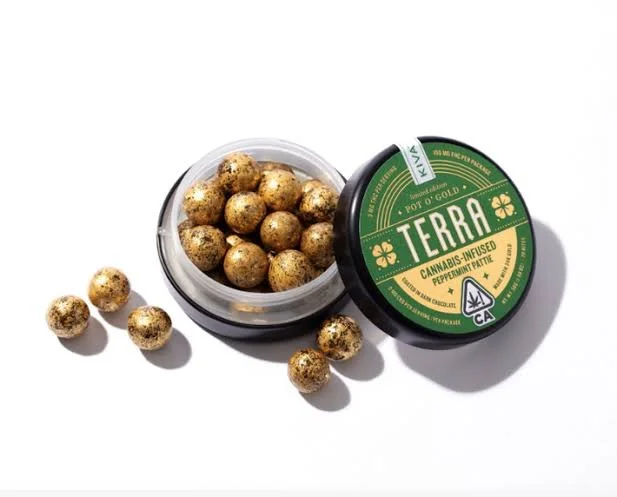
The internet has changed the illicit drug market. THC vape cartridges, cannabis oils, concentrates, gummies and other edibles can be advertised through:
social media accounts
encrypted messaging services
surface-web sellers
illicit online marketplaces
darknet or dark-web marketplaces.
Australian authorities have confirmed that the surface web and dark web are used to buy and sell illicit substances, and Australian law-enforcement operations have identified cannabis being purchased through darknet markets. Australian Criminal Intelligence Commission
However, a buyer cannot assume a product is genuinely imported from a regulated American dispensary simply because the seller, website or packaging says so.
Online cannabis products may be:
counterfeit or illegally manufactured
produced locally but placed in imported-looking packaging
refilled into branded vape cartridges
inaccurately labelled for THC strength
made with unknown solvents, oils or additives
contaminated with pesticides or other chemicals
mixed with synthetic cannabinoids or other drugs
sold as a nicotine vape when they contain THC or another substance.
Even packaging that appears professionally manufactured can be copied or purchased online. A printed THC percentage, overseas brand name or testing symbol is not proof that a product has been independently tested or contains what the label claims.
Traditional cannabis used in Australia is still often locally sourced. However, online drug markets create a pathway through which overseas products, packaging and high-potency trends can influence what is promoted and offered here.
For young people, the message needs to be clear:
You cannot judge the contents, strength or safety of an illicit cannabis product by its appearance, packaging, flavour, price or what the seller claims.
Why high-potency cannabis increases concern
The THC percentage does not tell us everything about how a person will be affected. The amount used, frequency of use, method of consumption, age, tolerance, physical and mental health, and whether other substances have been taken all matter.
However, higher concentrations make it easier to receive a much larger dose of THC, sometimes in one inhalation or a small amount of concentrate.
This may increase the likelihood or intensity of:
severe anxiety or panic
paranoia
confusion and impaired judgement
hallucinations or psychotic symptoms
nausea and vomiting
rapid heart rate
accidents and injuries
developing tolerance and dependence.
A person’s previous cannabis use does not guarantee they will know how a new product will affect them. A vape cartridge, edible or concentrate may deliver a very different dose from dried cannabis.
Why cannabis vapes can be difficult to identify
THC vapes and concentrates can be particularly difficult for parents and school staff to recognise.
They may:
resemble ordinary nicotine vapes
have less of the recognisable smell associated with smoked cannabis
produce vapour that disappears quickly
be flavoured or sweet-smelling
be small and easily concealed
deliver a concentrated dose quickly.
A young person may not know whether a cartridge contains nicotine, THC, synthetic cannabinoids or another drug. If it was purchased through an illicit seller, its packaging and stated ingredients cannot be trusted.
This is one reason it is important not to assume that an unfamiliar vape is “only nicotine”.
Cannabis edibles carry different risks
Cannabis can also be added to gummies, lollies, chocolates, baked goods and drinks. These products may resemble ordinary food and can be attractive to children and young people.
Unlike smoking or vaping, the effects of an edible can take longer to appear. Someone may consume more because they mistakenly believe the first amount “didn’t work”.
When the effects arrive, they can be unexpectedly strong and may last for many hours. The delayed onset also makes it more difficult for a person to judge how much they have taken.
Illicit edibles may be unevenly mixed, meaning one piece could contain a much higher dose than another. Their stated THC content may also be inaccurate.
Cannabis edibles should be treated as a poisoning risk if accidentally consumed by a child.

Cannabis, memory and learning
One of the most relevant concerns for school-aged young people is cannabis’s effect on memory, attention and concentration.
A student may appear to be listening in class but struggle to absorb new information, retain instructions or recall what they have learned. Cannabis can also affect coordination, reaction time and judgement.
The impact may extend beyond the hours immediately following use, particularly when use is frequent.
Over time, difficulty concentrating or remembering information can contribute to:
declining school performance
missed assignments
disengagement from learning
reduced confidence
frustration and conflict
increased school absence
giving up activities that once mattered.
It is important not to assume that a student who is struggling academically is lazy or simply does not care. Substance use, mental health concerns, learning difficulties, family pressures or several issues may be occurring together.
Cannabis and mental health
People sometimes use Marijuana because they believe it helps them relax, sleep or escape anxiety.
A young person may be attempting to cope with stress, trauma, loneliness, conflict or overwhelming emotions. Understanding the reason behind the use is important, but it does not remove the risk.
Cannabis can cause or worsen:
anxiety
panic
paranoia
confusion
low mood
agitation
unusual thoughts
hallucinations
psychotic symptoms.
THC has been associated with an increased risk of psychosis and schizophrenia, particularly when use begins during adolescence, occurs frequently or involves higher-potency products. The risk can also be greater for someone with a personal or family history of psychosis or other serious mental illness. Alcohol and Drug Foundation
Cannabis does not affect every person in the same way, and the relationship between Marijuana and mental illness can be complex and very real. However, a personal or family history of psychosis, schizophrenia or bipolar disorder should be treated as a serious warning sign, not dismissed, and use should be avoided.
Can someone become dependent on cannabis?
Yes.
Cannabis dependence can develop when a person feels unable to function normally, relax, sleep, socialise or cope without using it.
Possible signs include:
using more often or in larger amounts
needing more cannabis to feel the same effect
moving to higher-potency products
repeatedly trying and failing to stop
spending increasing time obtaining or using cannabis
continuing despite problems at home, school or work
withdrawing from family, friends or usual activities
feeling anxious, irritable or unable to sleep without it
relying on cannabis to manage emotions.
When someone who has been using cannabis regularly reduces or stops, they may experience cravings, irritability, disturbed sleep, anxiety, low mood, headaches or nausea. Alcohol and Drug Foundation
Dependence is not a moral failure. It is a health and behavioural problem that deserves an informed and compassionate response.
What should parents and school staff look for?
No single behaviour proves a young person is using cannabis. Adolescence naturally involves changes in sleep, mood, friendships and independence.
We should look more closely when several changes appear together, persist over time or begin affecting the young person’s safety and daily functioning.
Possible signs include:
red or bloodshot eyes
an unusual herbal smell on clothing or belongings
sweet or unfamiliar vapour smells
impaired coordination or slowed reactions
difficulty concentrating or remembering conversations
sudden anxiety, panic, paranoia or unexplained laughter
significant changes in sleep or appetite
declining attendance, engagement or academic performance
becoming unusually secretive
unexplained requests for money
changing friendship groups alongside other concerning behaviour
losing interest in sport, hobbies or relationships
possession of rolling papers, pipes, grinders or unexplained oils
unfamiliar vape cartridges or devices
wax-like, resin-like or glass-like substances
products labelled “THC”, “dab”, “wax”, “shatter” or “cannabis oil”
packaging displaying unusually high THC percentages
imported-looking cannabis gummies, chocolates or other edibles.
These signs should prompt a conversation, not an immediate accusation.
How to start the conversation
Young people are more likely to speak honestly when they believe they will be heard before they are judged.
Choose a calm time and begin with what you have observed:
“I’ve noticed you haven’t seemed like yourself lately, and I’m concerned about you. Can we talk about what has been happening?”
Other helpful questions include:
“What are you hearing about cannabis among people your age?”
“Do people see it as risky, or do they think it is harmless?”
“Are vapes or Marijuana edibles being offered around your school or friendship group?”
“Have you ever been offered Marijuana/Weed?”
“Do you know what THC is or how strong some products can be?”
“What do you think you would do if you were offered it?”
“Is there something you are trying to cope with at the moment?”
“What support would make things easier?”
Try to listen without interrupting.
A disclosure of Marijuana use is not the end of the conversation. It is the beginning of understanding what is happening.
Listening does not mean approving of the behaviour. Parents and schools can remain clear that marijuana use is unsafe while responding in a way that keeps communication open.
What if a young person admits using cannabis?
Pause before reacting. Then:
Check their immediate safety. Ask what they took, how much, when they used it and whether another substance was involved. Remember that they may not know exactly what was in the product.
Find out how it was consumed. Dried cannabis, vapes, concentrates and edibles can involve different risks.
Listen for the reason behind the use. Curiosity, peer pressure, anxiety, trauma and the desire to belong may require different responses.
Be clear about your concern. Focus on their safety, health and future, not embarrassment, anger or reputation.
Set appropriate boundaries. Compassion and accountability can exist together.
Seek professional advice. A GP or alcohol and other drug service can assess the level of risk and recommend support.
Keep communicating. One difficult conversation will rarely resolve everything.
Avoid labelling the young person as an “addict”, a “drug user” or a disappointment. Shame can drive behaviour underground and make it less likely they will ask for help.
When is it an emergency?
Call Triple Zero (000) immediately if a young person:
becomes unconscious or cannot be woken
has difficulty breathing
experiences a seizure
has chest pain
becomes dangerously confused, distressed or agitated
experiences severe paranoia or hallucinations
appears to be experiencing psychosis
has persistent or severe vomiting
may have taken an unknown or contaminated product
has used cannabis alongside other drugs or medications and is becoming unwell.
Stay with them and tell emergency responders everything you know.
Do not delay medical help because you are worried about getting someone into trouble. If you cannot confirm what a person has taken, treat the situation seriously.
Prevention is more than saying “don’t do drugs”
Strong prevention is built through education, honest conversations, meaningful relationships and a sense of belonging.
Young people need:
accurate information before they encounter a substance
trusted adults who will listen
healthy ways to manage stress and difficult emotions
opportunities to belong without compromising their values
practical ways to leave a risky situation
confidence to make a decision that may differ from their friends
hope and purpose for their future.
At NotEvenOnce®, we do not believe young people should be defined by one decision. We also do not believe we should wait until substance use has become a crisis before starting the conversation.
The earlier we educate, connect and respond, the greater the opportunity to protect a young person’s health, potential and future.
Cannabis is not “only weed” when its potency and contents are unknown, and when it is affecting a brain that is still being built.
Where to find help
If you are concerned about your own cannabis use or that of a young person:
Speak with a GP or qualified health professional.
In Tasmania, contact the Alcohol and Drug Service on 1800 811 994.
Call the National Alcohol and Other Drug Hotline on 1800 250 015.
Contact healthdirect on 1800 022 222 for 24-hour health advice.
In an emergency, call 000.
NotEvenOnce® provides evidence-informed alcohol and other drug education for students, families and school staff. To discuss a school seminar, family session or professional-development program, contact Teen Challenge Tasmania through the NotEvenOnce® website.
This article provides general education and is not a substitute for individual medical advice.