Dangerous anaesthetic found in illicit vapes: What parents and schools need to know
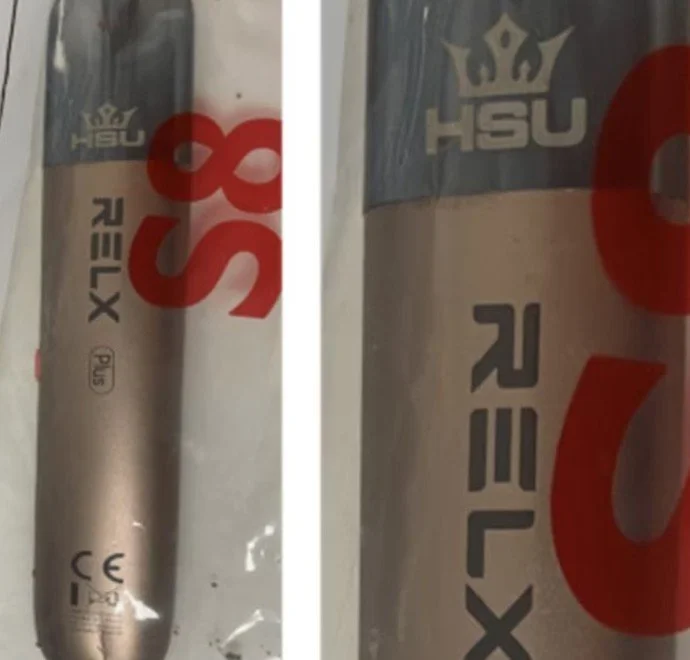
A powerful hospital anaesthetic capable of causing unconsciousness and dangerously impaired breathing has been detected in an illicit vape sold in Melbourne.
The discovery of etomidate in a vape product has prompted an urgent warning from Victorian health authorities. While the confirmed detection occurred in Melbourne, illicit products can move quickly between communities and across state borders. This is information parents, schools and young people throughout Australia need to know.
This is not to create panic. It is about being informed, recognising the warning signs and having conversations that could save a life.
What is Etomidate?
Etomidate is a powerful anaesthetic used by medical professionals to produce general anaesthesia. It is not intended to be inhaled recreationally or used without medical supervision.
When inhaled through a vape, etomidate may cause:
rapid and deep sedation
confusion
dizziness or weakness
impaired coordination
nausea and vomiting
loss of consciousness
collapse
dangerously slow, laboured or ineffective breathing
Repeated exposure may also interfere with the body’s stress-hormone system. This can lead to ongoing weakness, dizziness, confusion and collapse, particularly when the body is under stress from illness or injury.
The danger increases considerably if etomidate is combined with alcohol, opioids, benzodiazepines, GHB or other sedating substances. These combinations may be life-threatening. Victoria’s Department of Health
“Space oil”, “K-pods” and “Space Vapes”
Authorities have warned that illicit products marketed as “space oil”, “K-pods” or “space vapes” may contain etomidate. They may also contain other high-risk substances, including powerful new synthetic opioids.
However, we need to be very clear: a product’s name, flavour, packaging or appearance cannot tell someone what is actually inside it.
Illicit vapes are unregulated. The liquid may have been manufactured, substituted or refilled without the user knowing its ingredients or strength. A young person may believe they are using an ordinary nicotine vape when they are inhaling something very different.
This latest warning reinforces a message we regularly share through NotEvenOnce: when a product is manufactured and sold outside a regulated system, the user cannot be certain what they are putting into their body.
Warning signs parents and school staff should recognise
The main sign of serious sedative toxicity is a person becoming unusually drowsy or difficult to wake.
Other warning signs may include:
sudden confusion or disorientation
slurred speech or appearing heavily intoxicated
poor balance or coordination
vomiting
extreme sleepiness
collapsing or losing consciousness
slow, shallow, laboured or irregular breathing
choking, snoring or gurgling sounds
pale, cool or clammy skin
seizures
These symptoms should never be dismissed as a young person simply “sleeping it off”, being disruptive or having consumed too much alcohol.
What to do in an emergency
If a young person is difficult to wake, has collapsed, is having a seizure or is breathing slowly or abnormally:
Call Triple Zero (000) immediately and ask for an ambulance.
Tell the operator that a vape or unknown substance may have been used.
Stay with the person and follow the operator’s instructions.
If they are unconscious but breathing, place them on their side in the recovery position.
Continue checking their breathing. If they stop breathing, begin CPR if you are able and follow the Triple Zero operator’s instructions.
Do not give them food, drink or anything intended to make them vomit.
If it can be done safely, keep the vape, pod or packaging for paramedics. Do not use or directly handle leaking liquid.
Naloxone can reverse an opioid overdose, but it does not reverse etomidate. Because an illicit vape could contain an unexpected opioid, health authorities advise that naloxone is safe to give when someone has reduced consciousness and slow or difficult breathing. Giving naloxone must never delay calling Triple Zero.
For advice about suspected poisoning, call the Poisons Information Centre on 13 11 26. If someone is seriously unwell, call 000 first. Healthdirect
What school staff can do
Schools have an important role in education, early identification and emergency response.
Staff should:
ensure this warning is shared with leadership, wellbeing teams, first-aid staff and relevant teaching staff
review emergency procedures for suspected vaping or drug-related incidents
ensure staff recognise reduced consciousness and breathing difficulties as medical emergencies
record the language young people may use, including “space oil”, “K-pods” and “space vapes”
avoid relying on packaging, flavour or branding to identify a product’s contents
respond to possession or use with an immediate focus on safety and wellbeing
notify parents or carers according to school policy
provide pathways to appropriate health, counselling and support services
incorporate current, factual vaping information into health education
A punitive response alone may stop a young person from telling an adult what they used, where it came from or whether someone else is in danger. Accountability and school policy remain important, but the immediate priority must be preserving life and keeping communication open.
How parents can begin the conversation
Parents do not need to be experts before talking with their children. Begin calmly and with genuine curiosity.
You might say:
“I heard that a hospital anaesthetic has been found in some illicit vapes. I’m not asking this to get you into trouble—I want to make sure you know what to look for and what to do if someone becomes unwell.”
Other useful questions include:
“What are young people hearing about these products?”
“Have you heard the names space oil or K-pods?”
“Would you know what to do if a friend became difficult to wake?”
“Is there anything about vaping that you’ve been worried about?”
“Who could you call if you or a friend needed help?”
Listen before responding. Avoid beginning with accusations such as, “Are you doing this?” A young person who expects anger or punishment may hide important information. A calm conversation makes it more likely they will ask for help when it matters.
Make sure they know:
never to use a vape offered by someone else
never to assume they know what is inside an illicit vape
not to mix vaping products with alcohol or other drugs
not to leave an unwell friend alone
to call 000 if someone is unconscious, difficult to wake or struggling to breathe
that seeking help is always more important than avoiding trouble
Look for patterns, not just one sign
Possible signs of vaping may include possessing unfamiliar devices or pods, sweet or unusual smells, frequently leaving rooms or school grounds, persistent coughing, headaches, nausea, irritability or anxiety when unable to vape.
However, many of these signs can have other explanations. They should be treated as reasons to check in—not as proof.
Try:
“I’ve noticed you haven’t seemed yourself lately. I’m not here to judge you, but I do want to understand what is happening and help keep you safe.”
If your child tells you they have been vaping, staying calm does not mean you approve. It means you are protecting the relationship needed to help them make a change.
Education is prevention
Young people are navigating products deliberately designed to look appealing, harmless and easy to conceal. They need more than the instruction to “just say no”. They need accurate information, practical refusal strategies and confidence to act when a friend is in danger.
At NotEvenOnce, we believe effective prevention begins with education, honest conversation and trusted relationships. Please share this warning with parents, teachers, youth workers, coaches and young people in your community.
The confirmed detection may have occurred in Melbourne, but awareness should not stop at Victoria’s borders.
If even one young person recognises the warning signs, calls for help and refuses to leave a friend alone, sharing this information will have mattered.
Support: For help to stop vaping, contact Quitline on 13 7848 or speak with a GP or pharmacist. Healthdirect offers 24-hour health advice on 1800 022 222. In an emergency, always call Triple Zero (000).