Still Growing: What New Brain Research Means for Young People
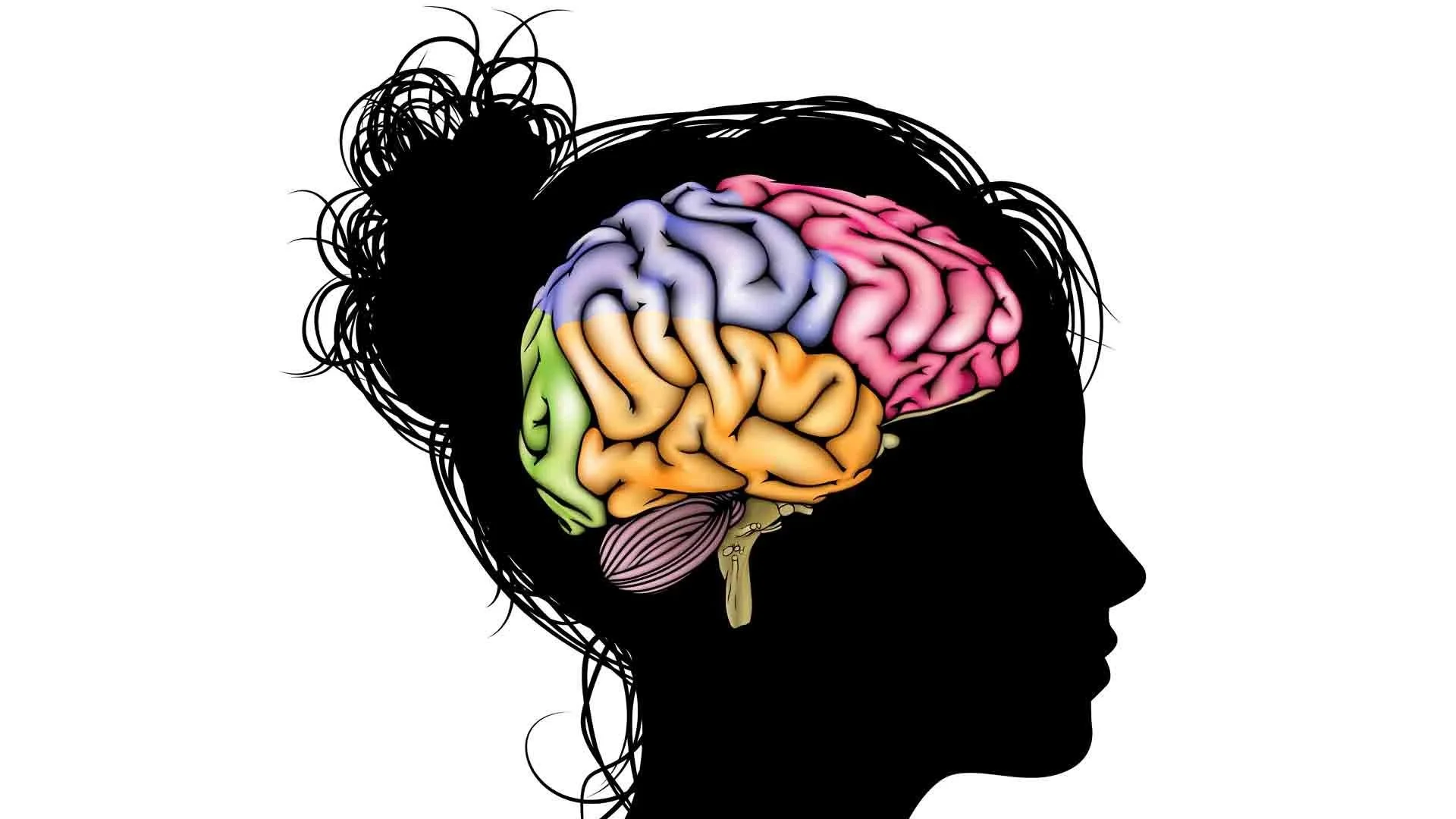
We’ve long been told that the teenage brain is “still developing” — but new research suggests that story doesn’t end in the early twenties. A major study reviewed in Psychology Today shows that brain development continues well into our late twenties and early thirties, with some key areas not fully maturing until around age 32. By analysing thousands of brain scans across the lifespan, researchers found that the years from roughly age 9 through to early adulthood are a time of ongoing rewiring, particularly in the parts of the brain responsible for decision-making, impulse control, emotional regulation and reward-seeking. In other words, adolescence is much longer than we once thought.
Why does this matter? Because this extended developmental window is also a time when young people are more sensitive to experiences — both positive and negative. The article highlights that substances like nicotine, alcohol and other drugs can interfere with the brain’s natural development during this period, increasing the risk of long-term harm and addiction. This doesn’t mean young people are “broken” or incapable — quite the opposite. Their brains are highly adaptable, which means what they’re exposed to, supported through and protected from really matters.
This research strongly reinforces the heart of our NotEvenOnce® work. Prevention isn’t about fear-based messaging or judgement — it’s about understanding how the brain works and giving young people the best chance to grow into healthy, resilient adults. When we delay substance use, build coping skills, strengthen relationships and equip young people to make informed choices, we’re working with their developing brains, not against them. The science is clear: these years matter and what we do now can shape a lifetime.
Read the Full Article below: Link Here:
Pschology Today
Why "Teen" Brain Development Continues Until Age 32
Here's what that means for substance use and prevention.
Updated December 12, 2025 | Reviewed by Tyler Woods
Key points
The brain's infrastructure and default settings develop, changes, and organizes into the thirties.
Researchers identified epochs of structural brain development, with the critical period from 9-32 years old.
Early substance abuse may alter the brain's developmental trajectory, forever changing reward circuits.
For decades, my colleagues and I advanced the premise that early substance use—nicotine, alcohol, or cannabis (or other addicting drugs)—interferes with critical maturation stages, particularly adolescence. Some questioned the science behind these premises, while others said it was propaganda from people disapproving of drugs like cannabis to justify their views. Despite this, clinicians often conveyed the cautionary: “The adolescent brain is still developing,” or “Drugs hurt the teenage brain.”
Recently, these statements received strong support from research that provides a framework for understanding how the developing brain changes and when those changes occur, noting that specific periods are disproportionately vulnerable. The Nature Communications study by Alexa Mousley and colleagues at the University of Cambridge, Topological Turning Points Across the Human Lifespan, provided this framework. By analyzing more than 4,000 diffusion MRI scans from birth to age 90, researchers identified major turning points in structural brain topology. The 9–32 years epoch, encompassing adolescence and young adulthood, emerged as the most topologically-dynamic period of life.
This new evidence creates a powerful platform for substance use disorder (SUD) researchers, medical educators, and people working in SUD prevention. It defines adolescence and emerging adulthood as when structural brain network reorganization is fastest and most consequential. When the brain undergoes rapid transformation, chronic pharmacologic insults—even mild—may alter developmental trajectories long after substance abuse ceased.
The Mousley study aggregated 4,216 diffusion MRI scans from nine large datasets, covering individuals 0–90 years old. Crucially, the team identified points where the overall topological trajectory changed direction. The human brain does not mature or age linearly but transitions through four major epochs. The brain reorganizes at four developmental turning points (~9, ~32, ~66, ~83 years). Still, by far the most extended and vulnerable epoch for exposure-related disruption is adolescence through early adulthood (~10 to ~32 years)—a period highly sensitive to environmental stressors and substance exposure.
Exposure to nicotine, alcohol, and cannabis has long been associated with an increased lifetime risk of substance use disorders. Still, this new study helps us understand how early substance use could cause enduring neurobiological changes, setting the stage for lifelong vulnerability. These insights show that wiring patterns underlying reward, habit, and cognitive control are sculpted during Epoch 2, which is when most individuals initiate substance use.
Early substance use acts on a work-in-progress brain actively engaged in large-scale construction. Physiological changes induced by repeated drug exposure may become structurally encoded. Rather than creating temporary changes in synaptic strength or dysregulation of dopamine transmission, early substance use may significantly alter brain development itself, affecting how reward and control circuits are wired and integrated. This may result in adult neural architecture biased toward high drug and stimulus-seeking, reward sensitivity, and diminished prefrontal oversight. Over time, drug-associated stimuli acquire exaggerated motivational power, making them disproportionately important vs. natural rewards.
Drugs also may induce persistent changes to genes regulating dopamine transmission and stress responsivity, a well-known precipitant of craving and relapse. These changes may interact with the altered structural architecture, creating an environment in which relapse is an enduring risk even after long abstinence.
Habit Circuits
During Epoch 2, the brain transitions from relying heavily on goal-directed systems to increasingly engaging habit circuits, a process that makes some behaviors more automatic and less flexible. Substance use during this developmental shift can prematurely strengthen habit pathways and reduce influences of prefrontal “just say no” tendencies. Drug-hijacked habit circuits are neural machinery underlying complex drug-seeking and transforming some actions into simple, repetitive, almost automatic routines. Thus, substance use can become an unconscious habit. As a result, drug-seeking behavior may become cue-driven patterns rather than conscious choices. These habits are notoriously difficult to extinguish, contributing to the chronic and relapsing nature of addiction.
The Mousley study emphasizes that after age 32, the brain’s structural priorities shift. Integration declines gradually as adulthood progresses. The capacity for large-scale network reorganization diminishes, and the window for achieving peak small-world efficiency closes. Once the topological turning point of early adulthood passes, the brain no longer has the same developmental impetus to correct aberrant wiring patterns. The architecture becomes the foundation on which future behavior rests. This explains why early-onset substance use predicts more severe addiction trajectories and higher relapse rates throughout life. Abstinence is still possible, sometimes for long periods, but neural hard-wiring is biased in favor of compulsive drug-seeking, especially when individuals are exposed to triggering environments. Changes to the brain structure caused by substance abuse explain why addiction becomes a chronic, relapsing disorder: the neural architecture they rely on as adults was shaped by substance exposure during the brain’s most plastic and formative stage.
Understanding addiction through the lens of this study reframes early substance use not as a lifestyle choice of an impulsive teenager, but as a neurodevelopmental challenge event capable of altering the brain.
Rather than general warnings about “harm to the developing brain,” parents and educators can now explain that between ages 9 and 32, the brain is building its most efficient structure. This architecture governs risk/benefit analysis, reward, learning, impulse control, and the capacity to override cravings. Introducing psychoactive substances during this interval modifies the structure of the system at the time it’s being laid down. Early prevention becomes a neurodevelopmental imperative.
Conclusion
Drugs, toxins, psychiatric illnesses, and life stressors are all thought to negatively impact brain plasticity and cognitive flexibility, driving premature brain aging. These effects resemble premature aging but are more accurately described as trajectory alteration. Drugs of abuse can shift the trajectory of network maturation in ways affecting motivation, learning, reward, habit formation, and executive control. New prevention efforts need to encourage youth to avoid alcohol, nicotine, marijuana, or other drugs to protect their brains for life.
References
Mousley A, Bethlehem RAI, Yeh FC, Astle DE. Topological turning points across the human lifespan. Nat Commun. 2025 Nov 25;16(1):10055. doi: 10.1038/s41467-025-65974-8. PMID: 41290675; PMCID: PMC12647875.
Grillner S. How circuits for habits are formed within the basal ganglia. Proc Natl Acad Sci U S A. 2025 Apr;122(13):e2423068122. doi: 10.1073/pnas.2423068122. Epub 2025 Mar 13. PMID: 40080653; PMCID: PMC12002322.
Shen X, Wang C, Zhou X, Zhou W, Hornburg D, Wu S, Snyder MP. Nonlinear dynamics of multi-omics profiles during human aging. Nat Aging. 2024 Nov;4(11):1619-1634. doi: 10.1038/s43587-024-00692-2. Epub 2024 Aug 14. PMID: 39143318; PMCID: PMC11564093.